

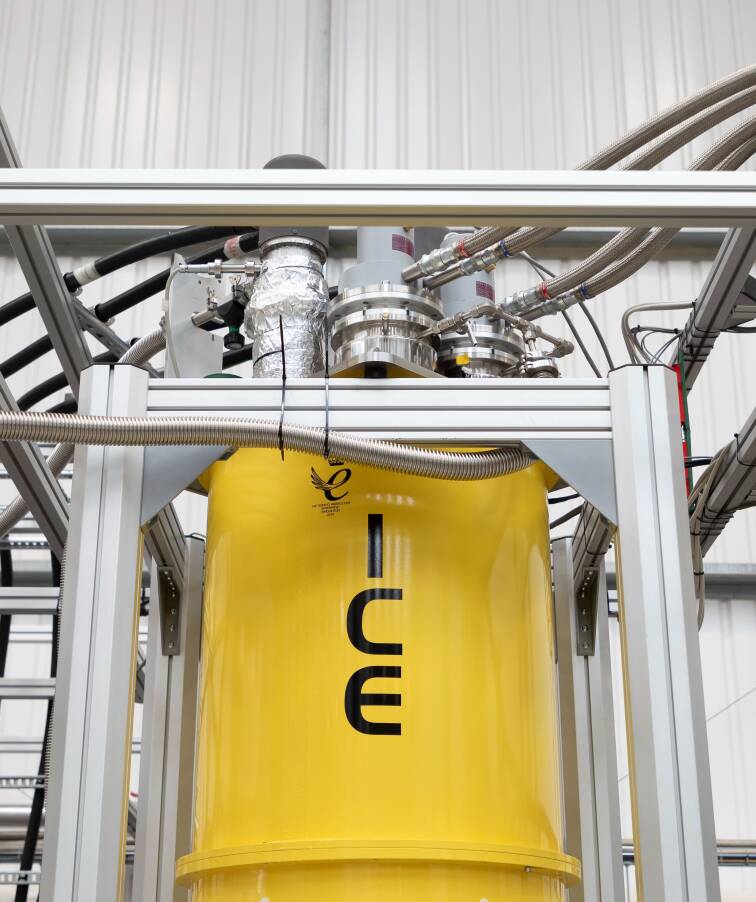
Researchers at UKAEA have unveiled their latest test rig, ELSA, which uses extreme temperatures to inform engineering and design under fusion-relevant plant conditions.
Like its animated namesake, ELSA produces temperatures on a cryogenic scale between 20 and 70 Kelvin (-253.15 to -203.15 degrees Celsius) to simulate the operating temperatures for high temperature superconducting (HTS) magnets. HTS magnets can confine and shape the plasma within a fusion machine, by generating high magnetic fields with very little resistive losses.
ELSA is currently testing novel ‘remountable joint’ (RMJ) components which feature extremely low electrical resistance, and will be essential for efficient maintenance of future fusion power plants. RMJs are fitted around the magnetic cage of a tokamak to allow rapid access for maintenance during plant operations. This design forms a critical part of the UK’s STEP Programme, a prototype fusion energy power plant that is to be built in West Burton, North Nottinghamshire, targeting operations for 2040.
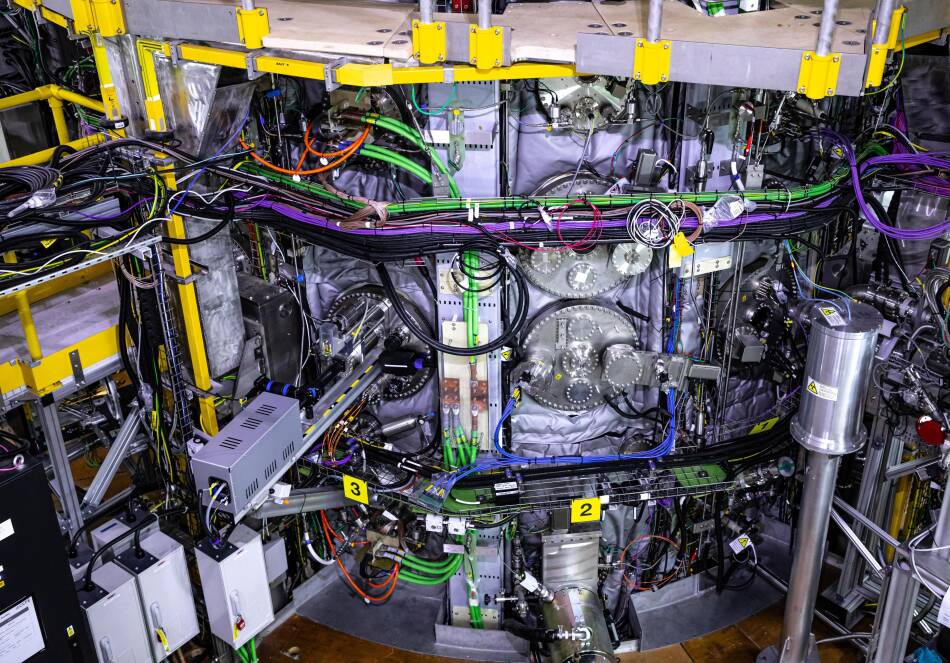
The UK Atomic Energy Authority's flagship fusion machine has launched its fifth scientific campaign to begin fusion experiments that will help develop the UK's first fusion power plant.
The Mega Amp Spherical Tokomak (MAST) Upgrade's latest campaign will run for six months with more that 200 researchers - from more than 40 global research institutions - conducting 950 plasma 'pulses' advancing our knowledge and understanding of spherical tokamak plasmas.
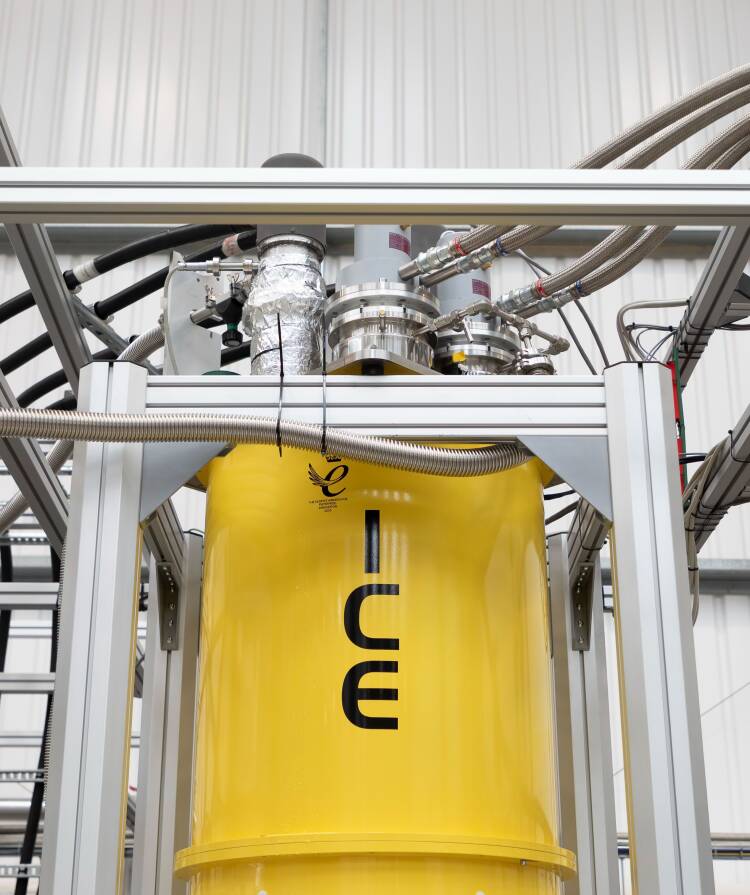
Researchers at UKAEA have unveiled their latest test rig, ELSA, which uses extreme temperatures to inform engineering and design under fusion-relevant plant conditions.
Like its animated namesake, ELSA produces temperatures on a cryogenic scale between 20 and 70 Kelvin (-253.15 to -203.15 degrees Celsius) to simulate the operating temperatures for high temperature superconducting (HTS) magnets. HTS magnets can confine and shape the plasma within a fusion machine, by generating high magnetic fields with very little resistive losses.
ELSA is currently testing novel ‘remountable joint’ (RMJ) components which feature extremely low electrical resistance, and will be essential for efficient maintenance of future fusion power plants. RMJs are fitted around the magnetic cage of a tokamak to allow rapid access for maintenance during plant operations. This design forms a critical part of the UK’s STEP Programme, a prototype fusion energy power plant that is to be built in West Burton, North Nottinghamshire, targeting operations for 2040.
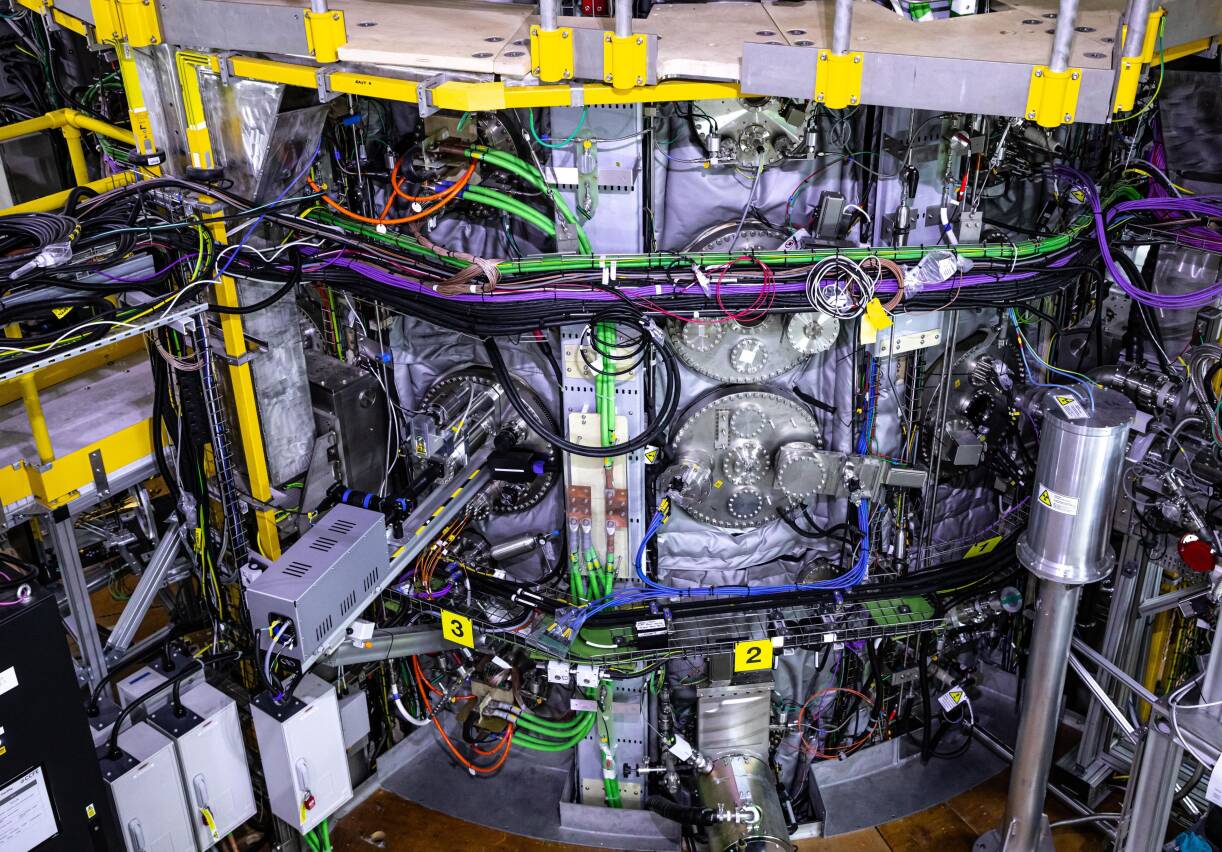
The UK Atomic Energy Authority's flagship fusion machine has launched its fifth scientific campaign to begin fusion experiments that will help develop the UK's first fusion power plant.
The Mega Amp Spherical Tokomak (MAST) Upgrade's latest campaign will run for six months with more that 200 researchers - from more than 40 global research institutions - conducting 950 plasma 'pulses' advancing our knowledge and understanding of spherical tokamak plasmas.