

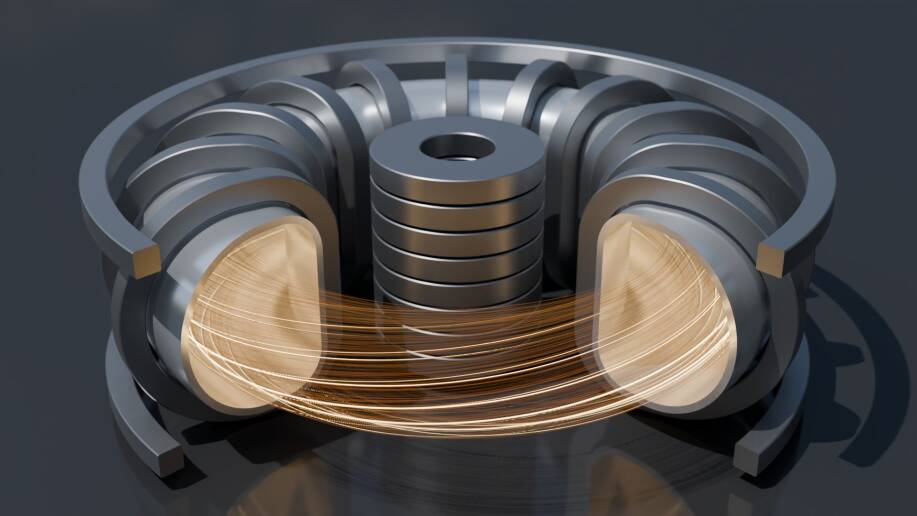
Previously, computation methods simulated a plasma by actively calculating the complex plasma dynamics. GyroSwin uses the latest AI methods to learn the 5D simulation dynamics and the resulting surrogate models can run in seconds, in contrast to the hours or even days for conventional simulations. This unprecedented speed allows for much faster, more agile prediction of plasma turbulence, crucial for optimising fusion machine designs
A team of scientist from UKAEA, the Johannes Kepler University (JKU) Linz, and Emmi AI, have developed an AI tool, named GryoSwin. It is capable of creating complex five-dimensional (5D) plasma simulations 1,000 times faster than traditional methods and at a fraction of the cost, paving the way for faster and more accurate design of future fusion power plants.
Fusion promises to be a clean, abundant source of energy. However, to achieve fusion, machines need to confine plasma at extreme temperatures using powerful magnets. Managing turbulence within the plasma is a key fusion challenge so it needs to be accurately modelled.
UKAEA and the Nuclear Decommissioning Authority (NDA) have signed a Memorandum of Understanding (MOU) aimed at enhancing collaboration and knowledge exchange for large-scale decommissioning projects. The MOU comes after a long-standing collaboration between the two bodies and an understanding of the common challenges in the fusion and nuclear sector.
The NDA has extensive experience in decommissioning some of the UK’s first nuclear stations and will help UKAEA in decommissioning the Joint European Torus (JET) facility. This will include designing JET-compliant waste strategies and decommissioning plans for JET’s auxiliary buildings. The incorporation of best practices from the NDA will thus help the JDR project in JET accelerate its progress.
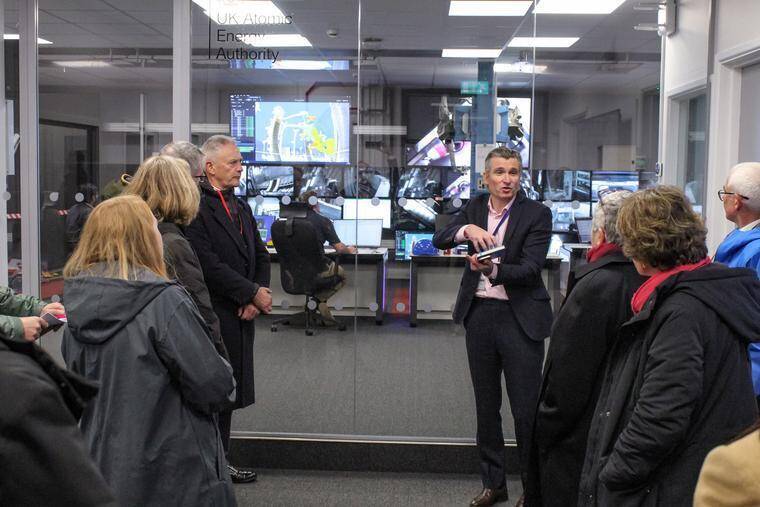
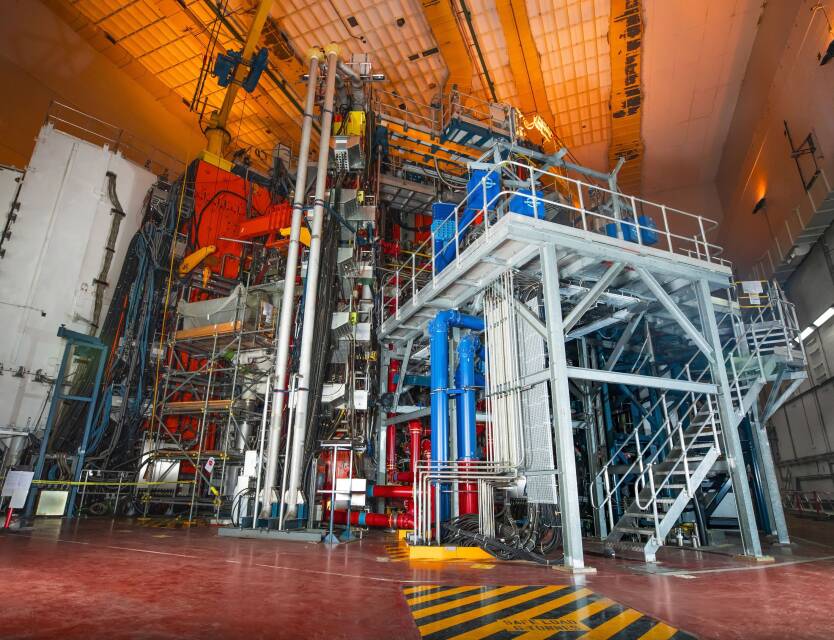
TAE Technologies, a leading US private fusion energy firm with over 25 years at the forefront of scientific innovation, and UKAEA have announced a bilateral and reciprocal investment commitment to commercialise TAE’s propriety particle accelerator technology for the global market.
At the centre of this partnership is the new joint venture, TAE Beam UK. The collaborative entity will harness the partners’ collective scientific leadership, commercialisation experience and market innovation to develop this highly versatile advanced particle accelerator technology, beginning with neutral beams for fusion. The venture will operate out of UKAEA’s Culham Campus, in Oxfordshire, and aims to design, develop, and ultimately manufacture and service neutral beams for a wide range of fusion approaches, as well as adapt the accelerator technology for other sectors.
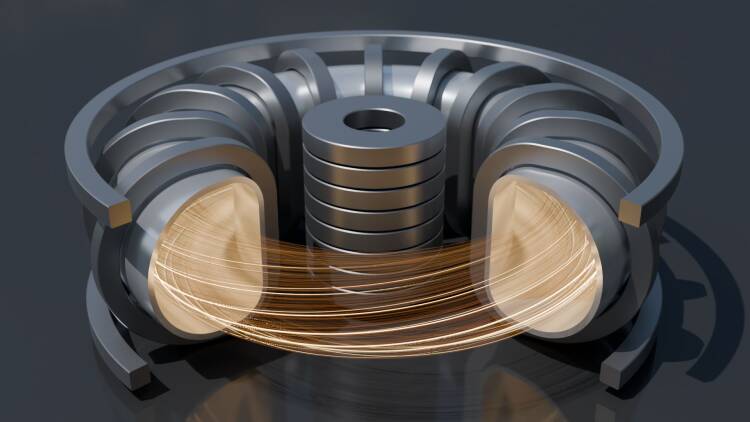
A team of scientist from UKAEA, the Johannes Kepler University (JKU) Linz, and Emmi AI, have developed an AI tool, named GryoSwin. It is capable of creating complex five-dimensional (5D) plasma simulations 1,000 times faster than traditional methods and at a fraction of the cost, paving the way for faster and more accurate design of future fusion power plants.
Fusion promises to be a clean, abundant source of energy. However, to achieve fusion, machines need to confine plasma at extreme temperatures using powerful magnets. Managing turbulence within the plasma is a key fusion challenge so it needs to be accurately modelled.
Previously, computation methods simulated a plasma by actively calculating the complex plasma dynamics. GyroSwin uses the latest AI methods to learn the 5D simulation dynamics and the resulting surrogate models can run in seconds, in contrast to the hours or even days for conventional simulations. This unprecedented speed allows for much faster, more agile prediction of plasma turbulence, crucial for optimising fusion machine designs
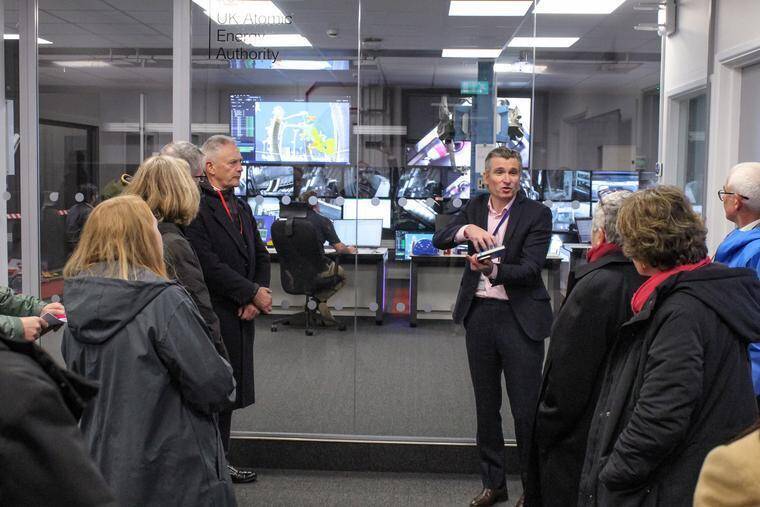
UKAEA and the Nuclear Decommissioning Authority (NDA) have signed a Memorandum of Understanding (MOU) aimed at enhancing collaboration and knowledge exchange for large-scale decommissioning projects. The MOU comes after a long-standing collaboration between the two bodies and an understanding of the common challenges in the fusion and nuclear sector.
The NDA has extensive experience in decommissioning some of the UK’s first nuclear stations and will help UKAEA in decommissioning the Joint European Torus (JET) facility. This will include designing JET-compliant waste strategies and decommissioning plans for JET’s auxiliary buildings. The incorporation of best practices from the NDA will thus help the JDR project in JET accelerate its progress.
The decommissioning of JET will offer many learning opportunities for planning the life of future fusion power stations. In turn, there may be opportunities to apply research and development work carried out to address the special requirements of JET to other areas of the NDA estate. Additionally, both parties work together through RAICo, and the JET Decommissioning and Repurposing (JDR) team has already taken advantage of advice offered by NDA relating to disposal routes and facilities for waste disposal
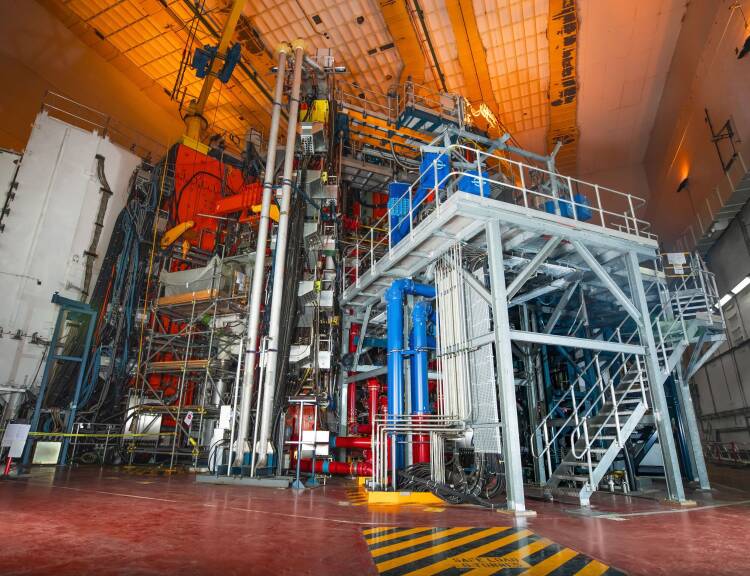
TAE Technologies, a leading US private fusion energy firm with over 25 years at the forefront of scientific innovation, announces a bilateral and reciprocal investment commitment with the UKAEA to commercialise TAE’s propriety particle accelerator technology for the global market.
At the centre of this partnership is the new joint venture, TAE Beam UK. The collaborative entity will harness the partners’ collective scientific leadership, commercialisation experience and market innovation to develop this highly versatile advanced particle accelerator technology, beginning with neutral beams for fusion. The venture will operate out of UKAEA’s Culham Campus, in Oxfordshire, and aims to design, develop, and ultimately manufacture and service neutral beams for a wide range of fusion approaches, as well as adapt the accelerator technology for state-of-the-art cancer therapeutics, and other applications like food safety and homeland security.