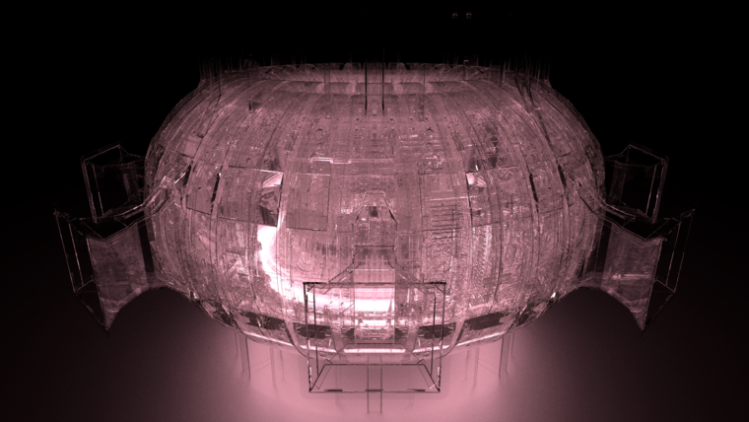
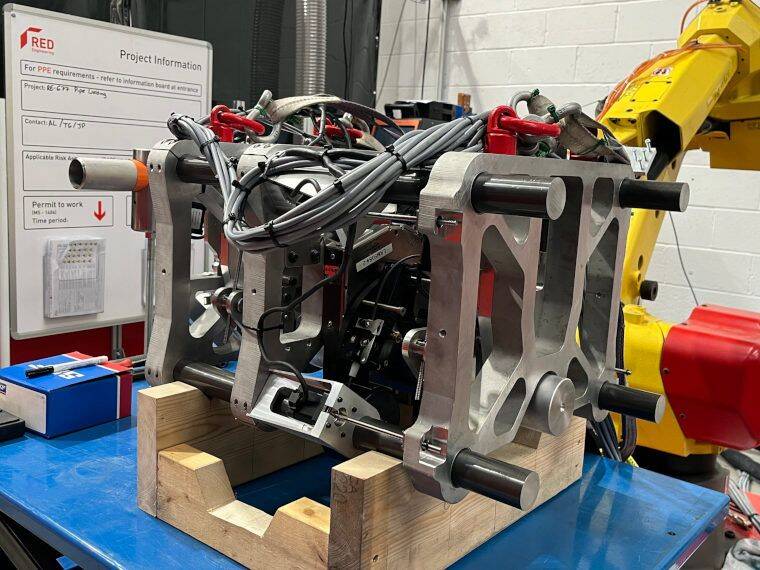
UKAEA has completed a programme of industry-led projects, delivering significant advancements in fusion maintenance, inspection and robotic technologies. This strengthens the UK’s capability to support the delivery and operation of future fusion power plants.
The completed projects were delivered through UKAEA’s Remote Applications in Challenging Environments (RACE) division and supported by the Fusion Futures Industry Capability Programme. They represent a collaborative effort across UK-based industry to progress key challenges that are crucial to future fusion operations.
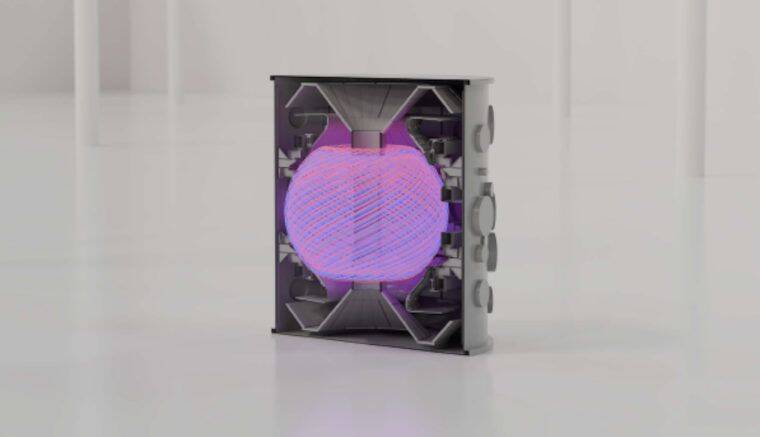
Over the past 2 years, the Fusion Futures programme has played a significant role in strengthening the UK’s position as a global leader. The program aims to create world-leading innovation and stimulate industry capacity through international collaboration.
The 2024-2026 End of Year Report outlines how the Fusion Futures programme has supported major progress across research, infrastructure, skills and innovation.
For 40 years, the Joint European Torus (JET) at Culham generated record-breaking fusion energy and produced large quantities of data. Google DeepMind’s recent essay explores whether data like this could be used to train AI models and allow for progress towards fusion power.
Much of UKAEA’s data remains raw, unvalidated or inaccessible for commercial use. The essay introduces the concept of ‘AI data stocktakes’. This is a more structured approach to identifying where high-quality scientific data exists, where the gaps are, and what interventions could help unlock AI’s potential across scientific disciplines.
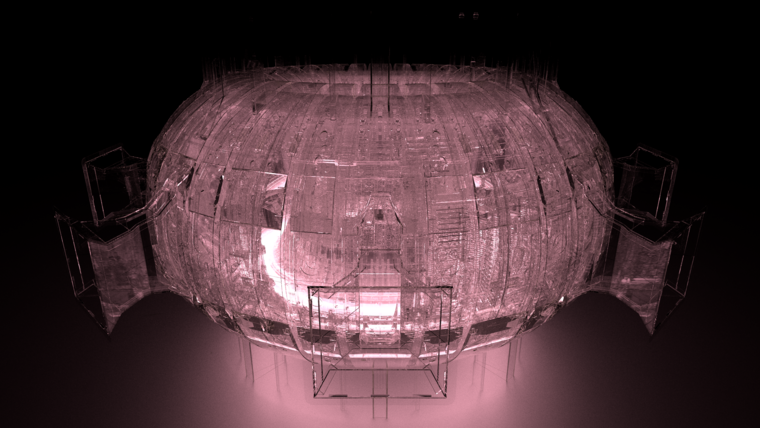

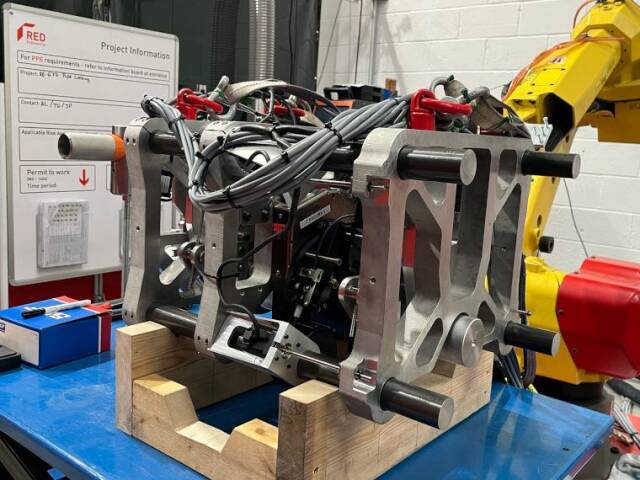
UKAEA has completed a programme of industry-led projects, delivering significant advancements in fusion maintenance, inspection and robotic technologies. This strengthens the UK’s capability to support the delivery and operation of future fusion power plants.
The completed projects were delivered through UKAEA’s Remote Applications in Challenging Environments (RACE) division and supported by the Fusion Futures Industry Capability Programme. They represent a collaborative effort across UK-based industry to progress key challenges that are crucial to future fusion operations.
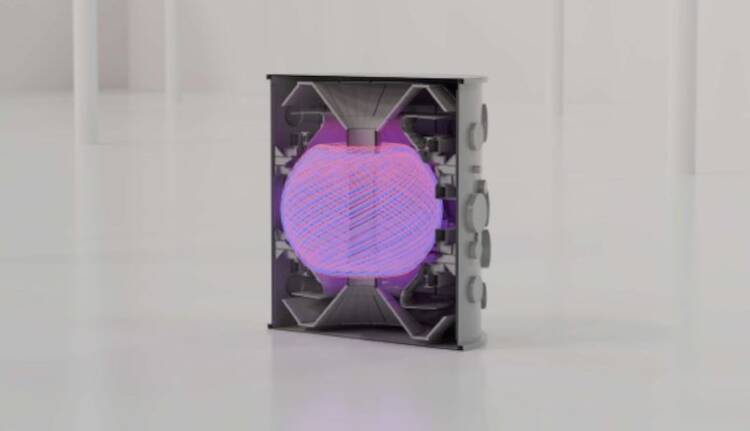
Over the past 2 years, the Fusion Futures programme has played a significant role in strengthening the UK’s position as a global leader. The program aims to create world-leading innovation and stimulate industry capacity through international collaboration.
The 2024-2026 End of Year Report outlines how the Fusion Futures programme has supported major progress across research, infrastructure, skills and innovation.
For 40 years, the Joint European Torus (JET) at Culham generated record-breaking fusion energy and produced large quantities of data. Google DeepMind’s recent essay explores whether data like this could be used to train AI models and allow for progress towards fusion power.
Much of UKAEA’s data remains raw, unvalidated or inaccessible for commercial use. The essay introduces the concept of ‘AI data stocktakes’. This is a more structured approach to identifying where high-quality scientific data exists, where the gaps are, and what interventions could help unlock AI’s potential across scientific disciplines.