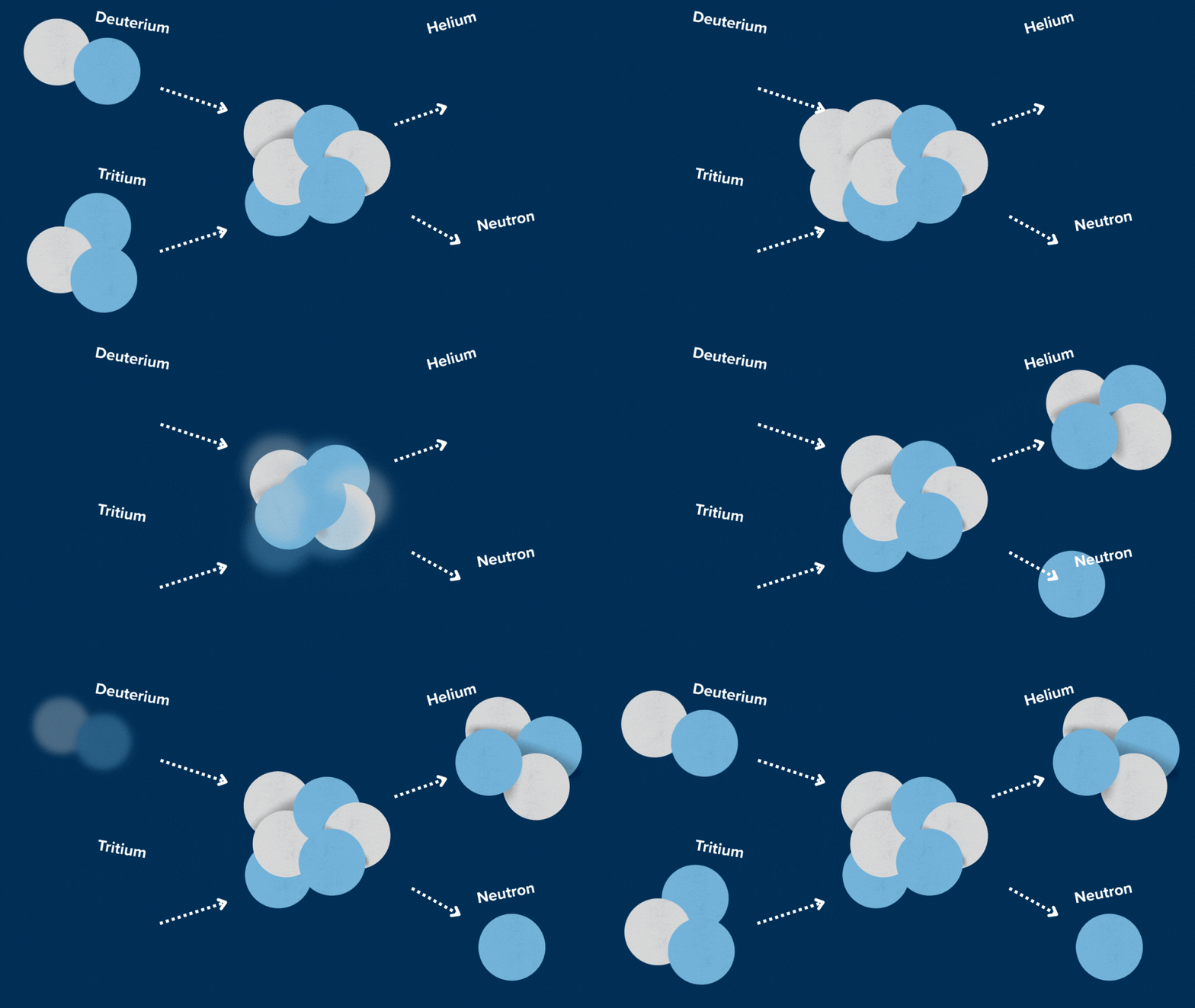
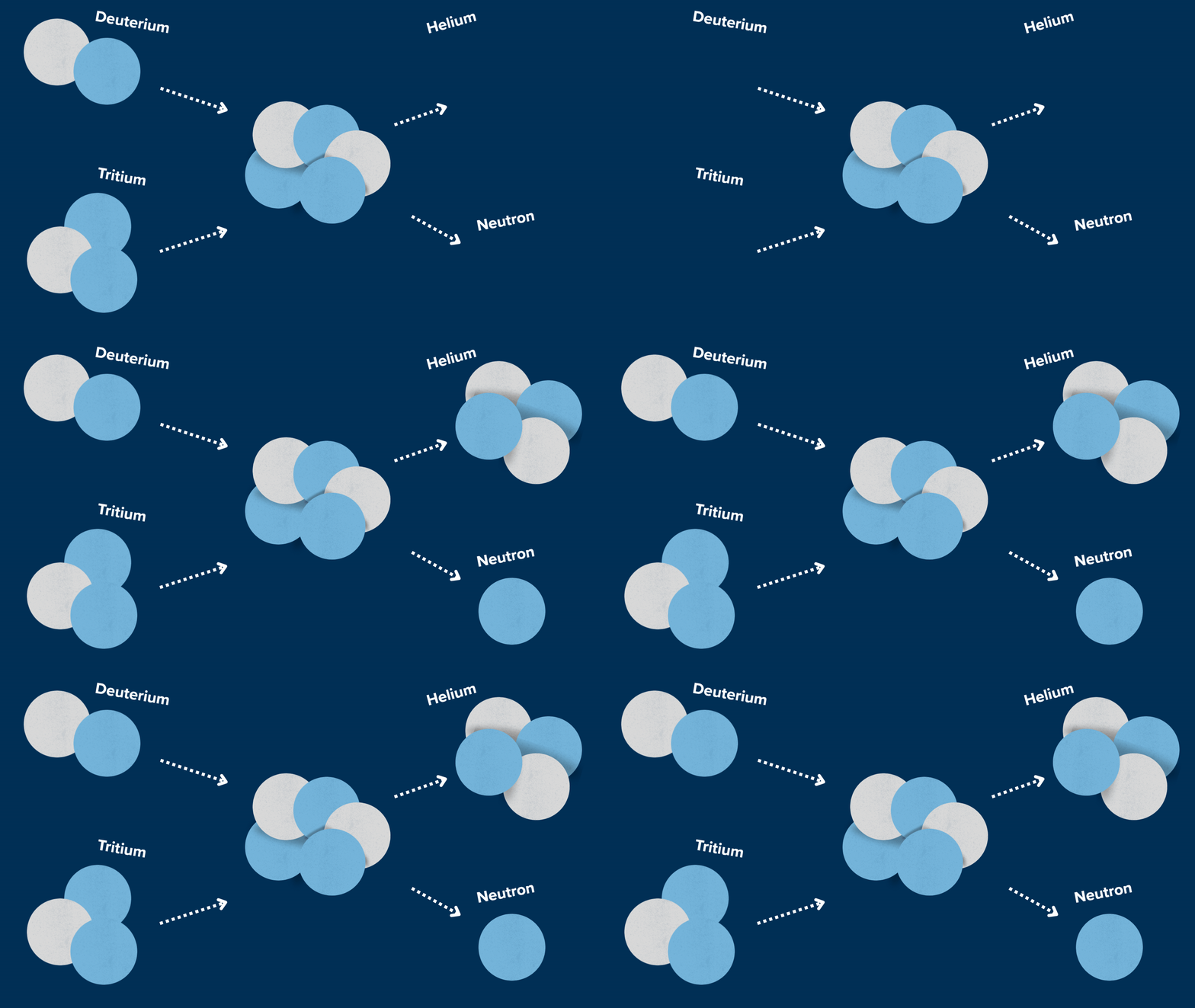
Fusion occurs when two forms of hydrogen are heated to extreme temperatures (10 times hotter than the core of the sun) they form a plasma and can fuse together and release energy. When this happens, helium is produced, and large amounts of carbon-free energy is released.
There is more than one way of achieving this, but all require heat, pressure, or both.
Keeping plasma well confined and stable enough to sustain fusion is hard. If the plasma cools, the fusion will stop. This is one reason why fusion is inherently safer than fission.
UKAEA uses strong magnets to hold the hot plasma in a ring-shapes machine called a tokamak.
Not sure what plasma is? Check out our Fusion 101 'What is plasma?' video.
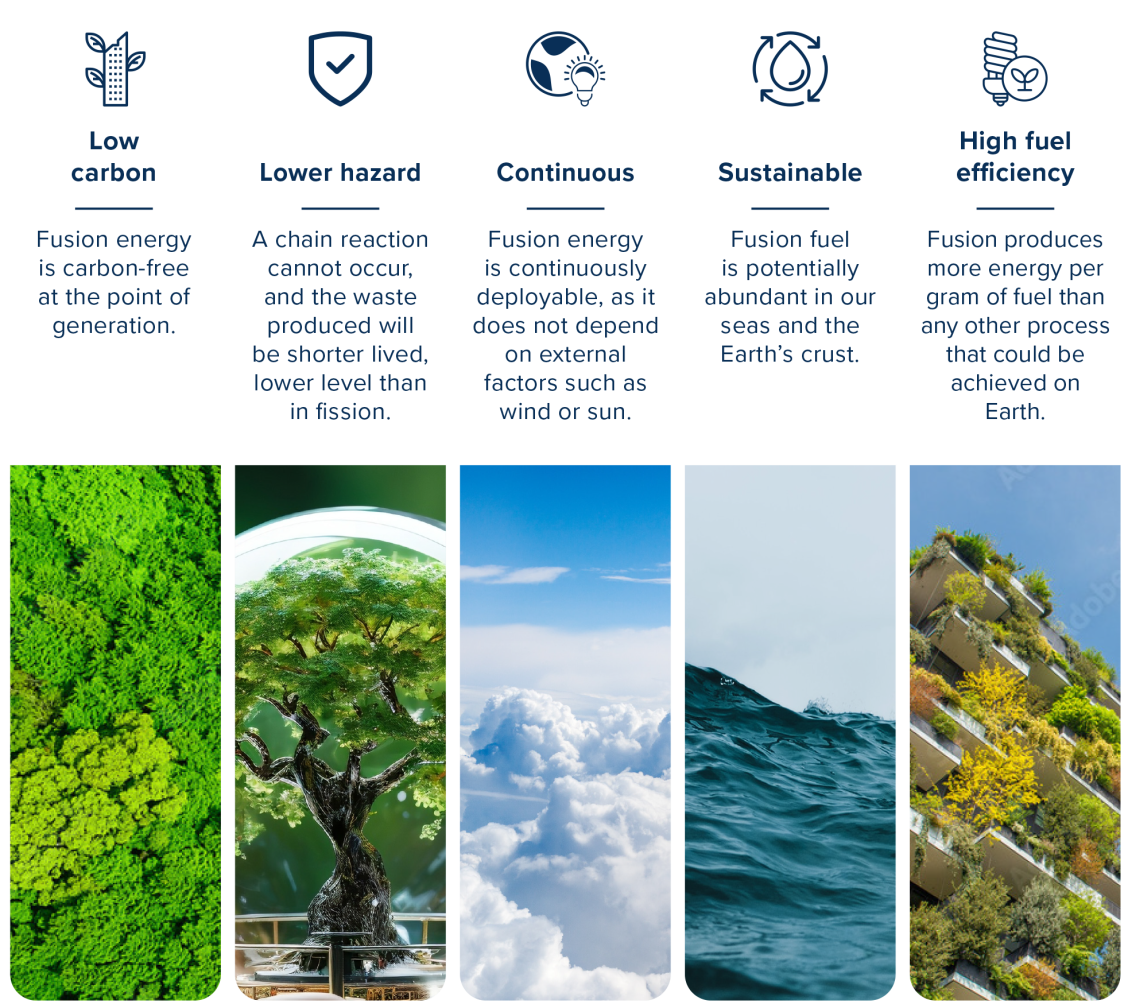
Fusion could be transformative for energy security and promises to support the fight against climate change
The low carbon energy created from fusion will be used to generate electricity in the same way as existing power stations
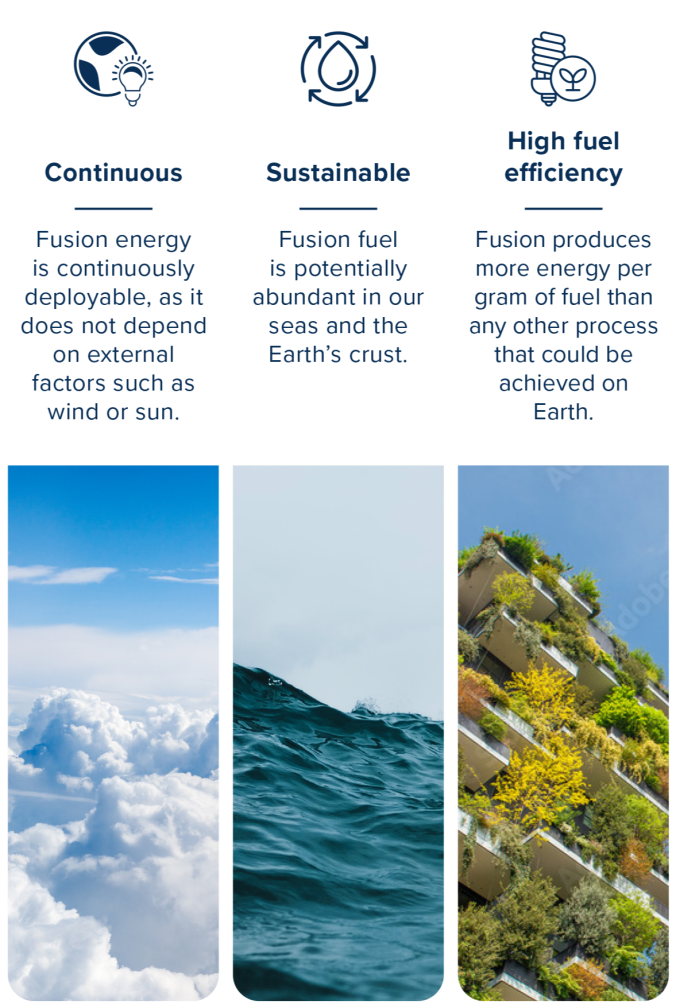
Fusion has the potential to provide 'baseload' power, complementing renewable and other low carbon energy sources as a share of many countries' energy portfolios


Why not check out our Fusion 101 series, where we explain more about how fusion energy works, its benefits, and even dispel a few myths in less than a minute.
Why not check out our Fusion 101 series, where we explain more about how fusion energy works, its benefits, and even dispel a few myths in less than a minute.
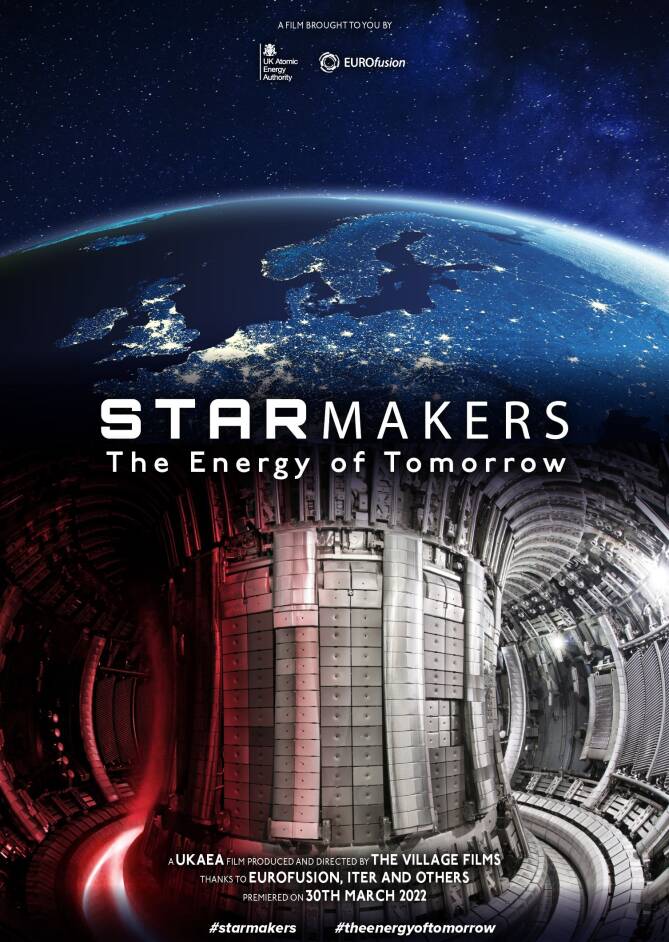
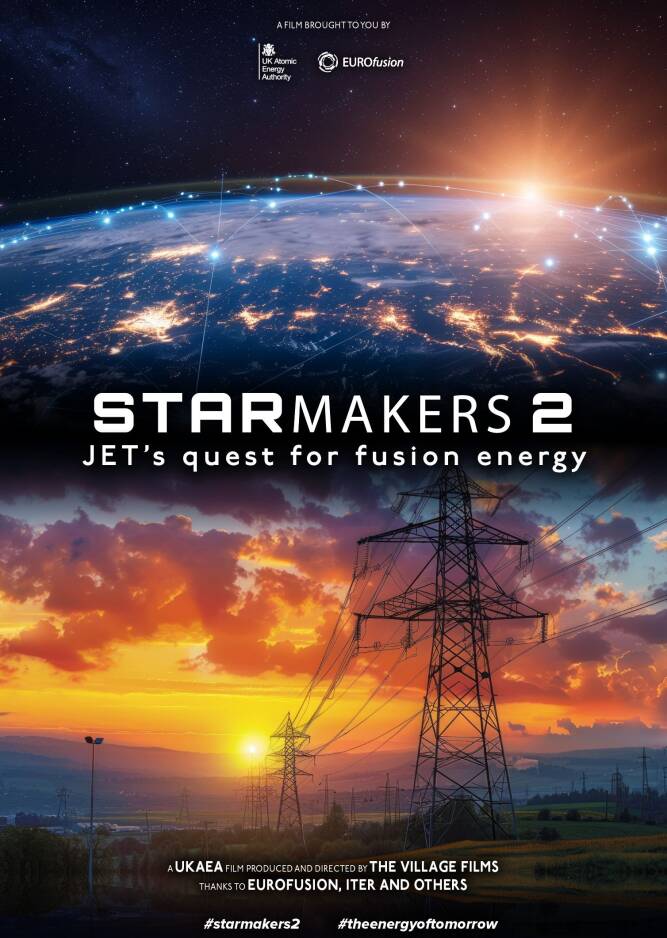
Short-from content not your style? Try our documentaries, Star Markers: The Energy of Tomorrow and Star Makers 2: JET's Quest for Fusion Energy, available on various streaming platforms including Amazon Prime Video!
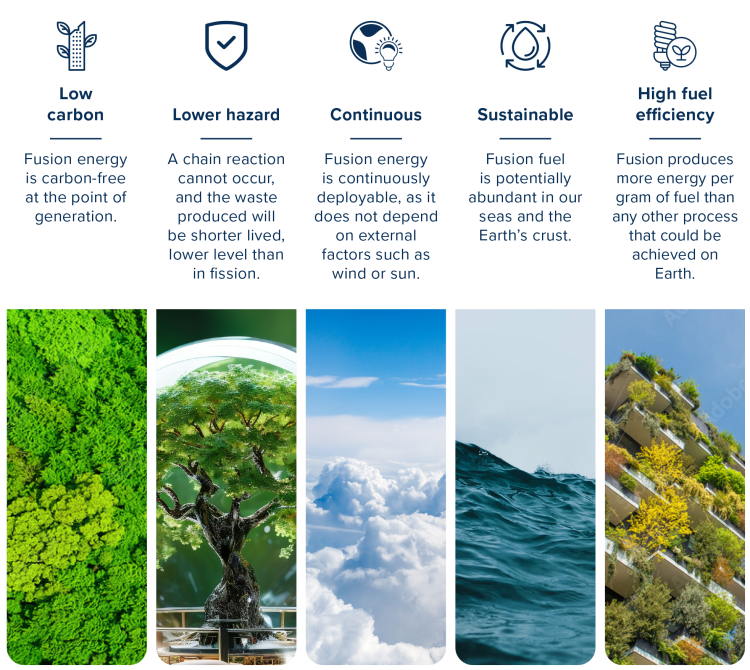
Fusion could be transformative for energy security and promises to support the fight against climate change
The low carbon energy created from fusion will be used to generate electricity in the same way as existing power stations
Fusion has the potential to provide 'baseload' power, complementing renewable and other low carbon energy sources as a share of many countries' energy portfolios
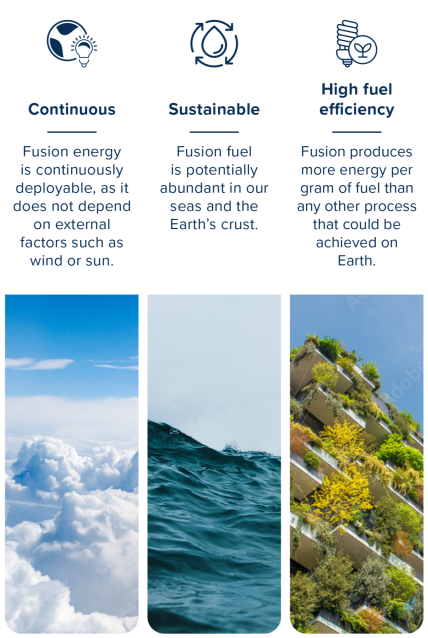

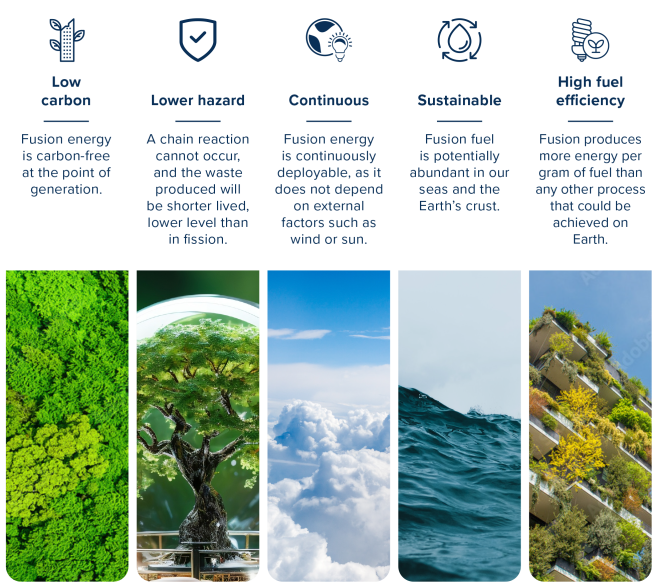
Fusion occurs when two forms of hydrogen are heated to extreme temperatures (10 times hotter than the core of the sun) they form a plasma and can fuse together and release energy. When this happens, helium is produced, and large amounts of carbon-free energy is released.
There is more than one way of achieving this, but all require heat, pressure, or both.
Keeping plasma well confined and stable enough to sustain fusion is hard. If the plasma cools, the fusion will stop. This is one reason why fusion is inherently safer than fission.
UKAEA uses strong magnets to hold the hot plasma in a ring-shapes machine called a tokamak.